
When Andriy (17) and Olena (12) arrived in Serbia from Ukraine, they faced not only the trauma of displacement, but also the quiet, daily challenges of growing up in a new country with limited support. Their mother worked long hours, leaving the siblings to navigate most of their days on their own. While Olena began to find her place through school and volleyball, Andriy remained isolated, attending online classes and spending most of his time alone.
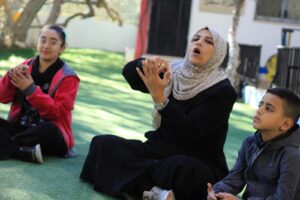
Through a psychosocial support programme delivered by the Psychosocial Innovation Network (PIN), in partnership with the Jesuit Refugee Service, both siblings found something they hadn’t had in a long time -structure, connection, and space to be themselves. The weekend workshops offered much-needed routine and support, tailored to their developmental needs and preferences.
At first, Andriy struggled in the group setting. Accustomed to limited online interactions, he found it hard to wait his turn to speak, often more focused on what he wanted to say than on listening. Over time, however, he reflected on this pattern and began working on his communication.
Supported by facilitators and group activities, including relaxed play sessions, he developed a stronger sense of how to interact in a group. His active listening skills gradually improved, and facilitators observed a clear shift in his ability to respect boundaries and contribute constructively.
Olena expressed a strong desire to be heard and to have opportunities to speak openly about mental health -something she rarely found in other parts of her life. The workshops gave her exactly that: a safe space where she could voice her feelings and work on self-expression and assertiveness. As her confidence grew, she began helping facilitators, guiding peers through activities, and engaging fully with the group.
By offering a structured, trauma-informed, and youth-centered environment, the programme helped Andriy and Olena feel safe, seen, and capable. Their journey speaks to the power of tailored mental health support: not only to reduce isolation or anxiety, but to nurture resilience, self-expression, and belonging -even in the midst of profound uncertainty.
Photo courtesy PIN, Serbia